
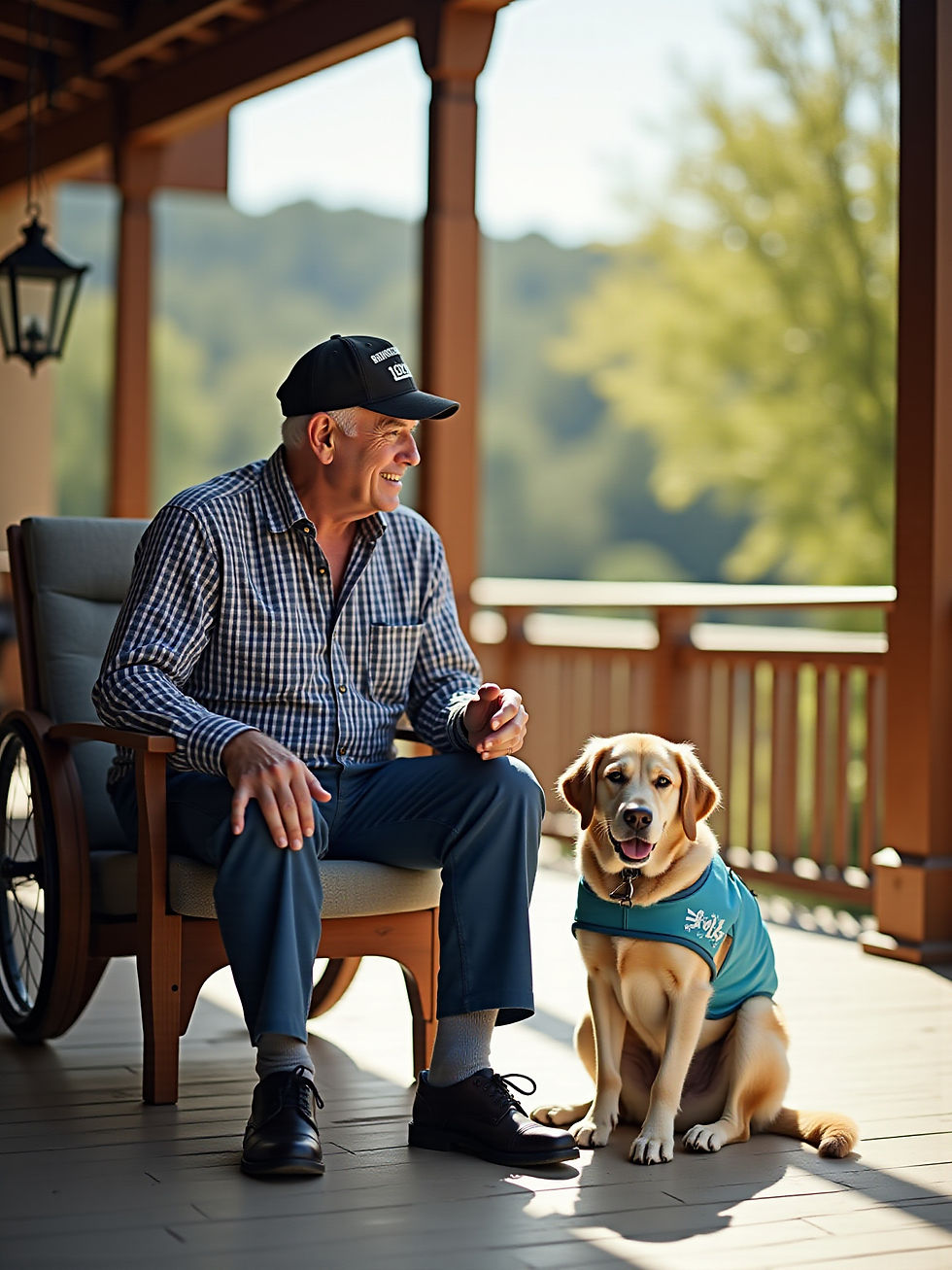
How to Train Your Dog: Tips from Experts

Training your dog is not just about teaching them commands; it’s about building a strong bond and ensuring a happy, well-adjusted pet. Whether you’re a first-time dog owner or have had several furry companions, understanding effective training techniques can make all the difference. In this post, we’ll explore expert tips on dog training that will help you create a positive learning environment for your canine friend.

Understanding Dog Behavior
Before diving into training techniques, it’s essential to understand your dog’s behavior. Dogs communicate primarily through body language and vocalizations. Recognizing these signals can help you respond appropriately during training sessions.
Key Behaviors to Observe
Tail Position: A wagging tail often indicates excitement, while a lowered tail may signal fear or submission.
Ears: Erect ears show interest, while flattened ears can indicate anxiety or aggression.
Body Posture: A relaxed body suggests comfort, while a stiff posture may indicate stress or readiness to react.
By paying attention to these behaviors, you can tailor your training approach to suit your dog’s emotional state.
Establishing a Training Routine
Consistency is crucial in dog training. Establishing a routine helps your dog understand what is expected of them. Here are some tips for creating an effective training schedule:
Set a Regular Training Time
Choose a specific time each day for training sessions. This could be in the morning before work or in the evening when you’re home. Aim for short sessions of about 5 to 10 minutes to keep your dog engaged.
Use Positive Reinforcement
Positive reinforcement is one of the most effective training methods. Reward your dog with treats, praise, or playtime when they successfully follow a command. This encourages them to repeat the behavior.
Be Patient and Flexible
Every dog learns at their own pace. If your dog struggles with a command, take a step back and try again later. Patience is key to successful training.
Basic Commands Every Dog Should Know
Teaching your dog basic commands is essential for their safety and your peace of mind. Here are some fundamental commands to start with:
Sit
Hold a treat close to your dog’s nose.
Move your hand up, allowing their head to follow the treat. This will cause their bottom to lower.
Once they are in a sitting position, say “Sit” and give them the treat.
Stay
Ask your dog to sit.
Open your palm in front of you and say “Stay.”
Take a few steps back. If they stay, reward them with a treat.
Gradually increase the distance and duration.
Come
Put a leash on your dog and let them wander a few feet away.
Call their name followed by “Come” in a cheerful tone.
When they come to you, reward them with a treat and praise.
Advanced Training Techniques
Once your dog has mastered the basics, you can move on to more advanced training techniques. These can include tricks, agility training, and even obedience competitions.
Teaching Tricks
Tricks can be a fun way to bond with your dog. Here are a few popular tricks to try:
Shake Hands: Encourage your dog to lift their paw by gently tapping it while saying “Shake.” Reward them when they do.
Roll Over: Start with your dog in a lying position. Use a treat to guide them to roll over, rewarding them when they complete the action.
Agility Training
Agility training involves navigating an obstacle course and can be a great way to exercise your dog mentally and physically. You can set up a simple course in your backyard using cones, tunnels, and jumps.
Obedience Competitions
If you and your dog enjoy training, consider entering obedience competitions. These events can provide motivation and a sense of accomplishment as you work together to achieve specific goals.
Socialization: A Key Component of Training
Socialization is an essential aspect of dog training. Exposing your dog to various environments, people, and other animals helps them become well-adjusted and confident.
Tips for Socializing Your Dog
Start Early: Begin socializing your puppy as soon as they are vaccinated. Introduce them to different people, pets, and environments.
Positive Experiences: Ensure that all interactions are positive. Use treats and praise to create a positive association with new experiences.
Controlled Environments: Start in controlled settings, such as a friend’s house or a quiet park, before moving on to busier locations.
Common Training Challenges and Solutions
Training can come with its challenges. Here are some common issues and how to address them:
Jumping on People
If your dog jumps on guests, teach them to sit when greeting people. Reward them for sitting calmly instead of jumping.
Barking Excessively
Excessive barking can be a sign of boredom or anxiety. Ensure your dog gets enough exercise and mental stimulation. If barking continues, consult a professional trainer.
Leash Pulling
If your dog pulls on the leash during walks, try using a front-clip harness. This can help discourage pulling and make walks more enjoyable.
The Importance of Professional Training
While many dog owners successfully train their pets at home, professional training can provide additional support and guidance. Consider enrolling in a training class or hiring a professional trainer if you encounter difficulties.
Benefits of Professional Training
Expert Guidance: Trainers can offer personalized advice based on your dog’s specific needs.
Socialization Opportunities: Training classes provide a controlled environment for socialization with other dogs and people.
Structured Learning: Professional classes often follow a structured curriculum, ensuring comprehensive training.
Maintaining Training Consistency
Once your dog has learned commands and behaviors, it’s essential to maintain consistency. Regular practice helps reinforce what they’ve learned.
Incorporate Training into Daily Life
Use Commands in Everyday Situations: Ask your dog to sit before meals or stay while you open the door.
Practice During Walks: Use walks as an opportunity to reinforce commands like “heel” and “come.”
Keep Training Fun
Training should be an enjoyable experience for both you and your dog. Incorporate playtime and variety into your sessions to keep them engaged.
Conclusion
Training your dog is a rewarding journey that strengthens your bond and enhances their quality of life. By understanding your dog’s behavior, establishing a routine, and using positive reinforcement, you can create a solid foundation for training. Remember to be patient, consistent, and have fun along the way. With these expert tips, you’ll be well on your way to having a well-trained and happy dog.
Now, grab those treats and start training! Your furry friend will thank you.


Comments