
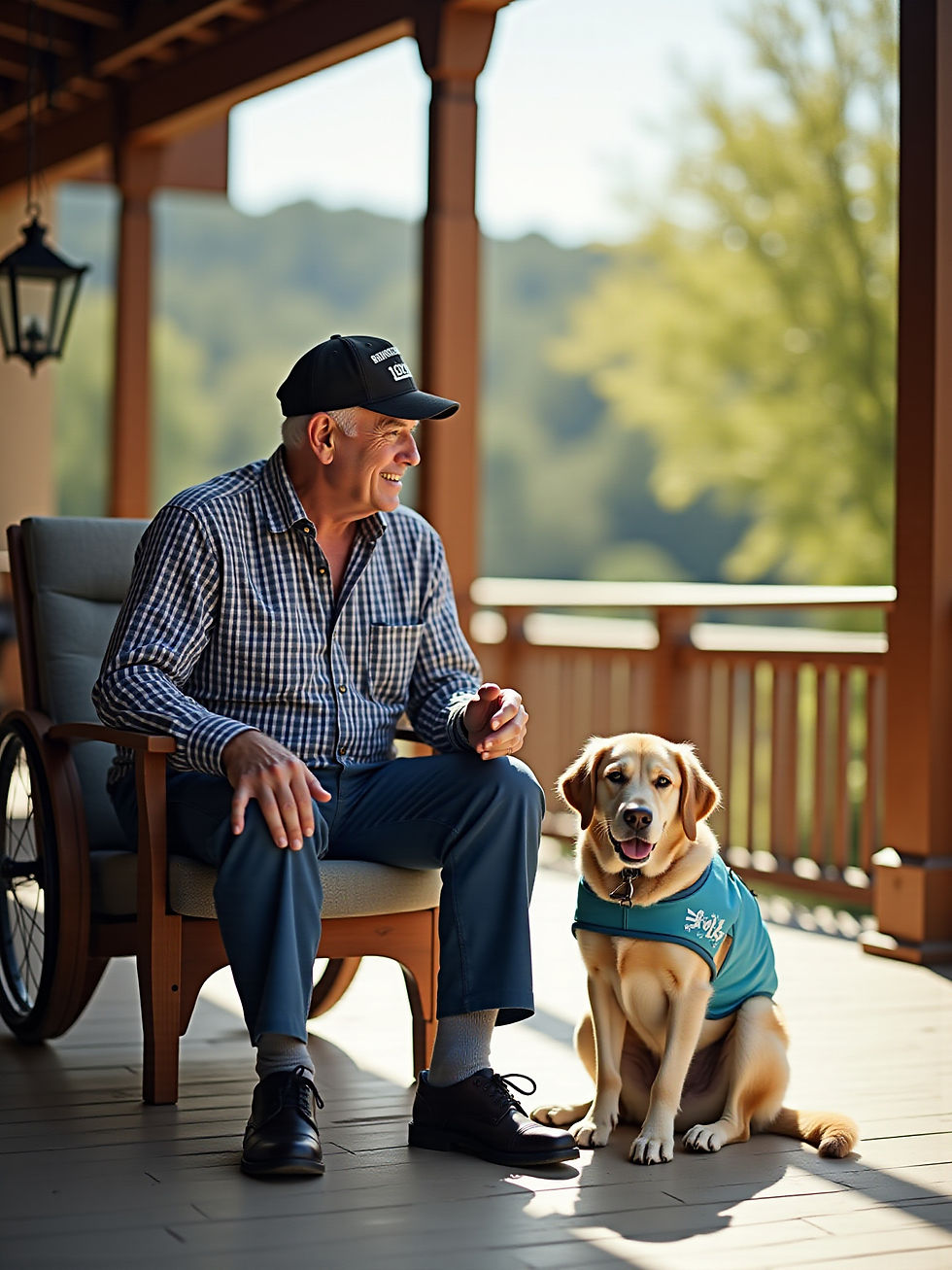
Service Dog Training for Veterans: Our Specialized Program

Service dogs can be a lifeline for veterans, providing companionship, support, and assistance in daily life. The bond between a veteran and their service dog can be transformative, helping to alleviate symptoms of PTSD, anxiety, and other challenges faced after military service. Our specialized program focuses on training service dogs specifically for veterans, ensuring that both the dogs and their handlers receive the best possible support.
Understanding the Need for Service Dogs
Many veterans return home with invisible wounds that can be just as debilitating as physical injuries. Conditions such as PTSD, depression, and anxiety can severely impact daily life. Service dogs are trained to assist with these conditions in various ways:
Emotional Support: Service dogs provide companionship and comfort, helping to reduce feelings of isolation.
Alerting to Anxiety Attacks: Some dogs are trained to recognize signs of anxiety and can alert their handlers before an episode occurs.
Physical Assistance: For veterans with mobility issues, service dogs can help with tasks such as retrieving items or providing balance support.
Our Specialized Training Program
Our program is designed with the unique needs of veterans in mind. We focus on creating a strong bond between the dog and the handler, ensuring that each team can work together effectively. Here’s how our training process works:
Initial Assessment
Before training begins, we conduct an initial assessment of both the veteran and the dog. This helps us understand the specific needs and goals of the veteran, as well as the temperament and abilities of the dog.
Customized Training Plans
Based on the assessment, we develop a customized training plan that addresses the unique challenges faced by the veteran. This may include:
Basic Obedience: Teaching commands such as sit, stay, and come.
Task-Specific Training: Training the dog to perform specific tasks that assist the veteran, such as retrieving medication or providing deep pressure therapy during anxiety attacks.
Socialization: Ensuring the dog is comfortable in various environments, including crowded places or public transportation.
Hands-On Training Sessions
Training sessions are conducted in a supportive environment, allowing veterans to practice their skills with their service dogs. Our experienced trainers work closely with each team, providing guidance and support throughout the process.

Ongoing Support
Once the initial training is complete, we provide ongoing support to ensure the continued success of the service dog and veteran team. This includes:
Follow-Up Sessions: Regular check-ins to address any challenges and reinforce training.
Community Support: Connecting veterans with others who have service dogs, fostering a sense of community and shared experience.
Success Stories
Our program has seen numerous success stories, showcasing the profound impact service dogs can have on veterans' lives. Here are a few examples:
John’s Journey
John, a veteran who struggled with PTSD, found it difficult to leave his home. After being paired with a service dog named Max, John experienced a significant change. Max was trained to recognize John's anxiety triggers and would nuzzle him to provide comfort. With Max by his side, John gradually regained the confidence to engage in social activities.
Sarah’s Transformation
Sarah, a veteran with mobility challenges, was paired with a service dog named Bella. Bella was trained to assist Sarah with daily tasks, such as picking up dropped items and providing balance support. The companionship and assistance Bella provided not only improved Sarah's mobility but also boosted her overall mood and outlook on life.
The Benefits of Service Dogs for Veterans
The benefits of having a service dog extend beyond just physical assistance. Here are some key advantages:
Improved Mental Health: The presence of a service dog can significantly reduce symptoms of anxiety and depression.
Increased Independence: Service dogs empower veterans to regain control over their lives, enabling them to perform daily tasks with greater ease.
Enhanced Social Interaction: Service dogs can act as social facilitators, helping veterans connect with others and reducing feelings of isolation.
How to Get Involved
If you are a veteran interested in our service dog training program, or if you know someone who could benefit, here’s how to get started:
Contact Us: Reach out to our team to discuss your needs and schedule an initial assessment.
Complete the Application: Fill out our application form to provide us with more information about your situation and the dog you wish to train.
Begin Training: Once accepted into the program, you will begin the training process tailored to your specific needs.
Conclusion
Service dogs can play a crucial role in the lives of veterans, providing support, companionship, and assistance in overcoming challenges. Our specialized training program is designed to meet the unique needs of veterans, ensuring that both the dog and handler can thrive together. If you or someone you know could benefit from a service dog, we encourage you to reach out and explore the possibilities. Together, we can build a brighter future for our veterans and their service dogs.


Comments